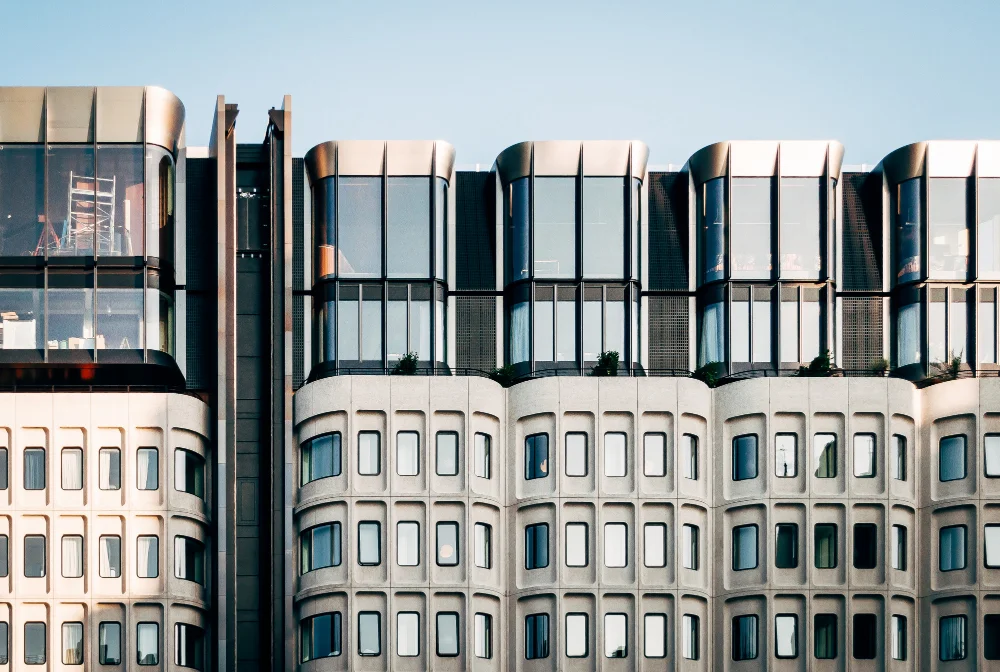
Balancing modern architectural concepts and building performance is critical for creating functional, aesthetically striking, and energy-efficient structures. Today’s design strategies must harmoniously integrate spatial utility with technical execution.
Key Principles Connecting Architectural Concepts and Building Performance
1. Passive Solar Design and Natural Daylighting
Optimizing building orientation allows architects to maximize natural light while controlling solar heat gain. Strategic window placement and shading devices significantly reduce artificial lighting and cooling loads.
2. High-Performance Building Envelopes
A building envelope must serve as a protective barrier against weather while maintaining indoor thermal comfort. Advanced air barriers and high-performance insulation protect long-term structural integrity.
3. Flexible Interior Space Planning
Modern architecture prioritizes modular spatial layouts that adapt to changing tenant requirements over time, extending the functional lifespan of the physical structure.
Architectural Value Beyond Aesthetics
Integrating structural engineering with early architectural design ensures that structural loads, MEP systems, and material choices support long-term operational durability.
Conclusion
Connecting modern architectural concepts and building performance delivers structures that are aesthetically inspiring, environmentally responsible, and economical to operate.